The Complete Guide to Tours of China: Top Destinations, Best Times, and Expert Tips for 2026

Introduction
Tours of China offer travelers an extraordinary journey through one of the world's oldest civilizations, where ancient traditions meet cutting-edge modernity across a landscape as vast as it is diverse. According to the United Nations World Tourism Organization, China welcomed approximately 65.7 million international visitors in 2025, cementing its position as one of the most visited countries in Asia. From the Great Wall winding through northern mountains to the tropical rainforests of southern Yunnan, tours of China span a remarkable range of experiences that cater to history enthusiasts, nature lovers, foodies, and cultural explorers alike.
Recent data from the China National Tourism Administration reveals that international tourist arrivals have surged significantly since the country expanded its visa-free entry policies, with Yunnan Province alone receiving over 990,000 inbound travelers by August 2026, an impressive 82.8% of whom entered through visa-free channels. Whether you are considering a first-time visit to iconic landmarks like the Forbidden City and the Terracotta Warriors, or seeking deeper cultural immersion in regions like Yunnan where ethnic minority traditions remain vibrantly alive, understanding how to navigate the many tours of China available is essential for planning a rewarding trip. This guide breaks down everything you need to know about choosing, timing, and maximizing your China tour experience, with particular attention to destinations that deliver the highest traveler satisfaction and cultural authenticity.
What Are Tours of China and Why Are They Worth Considering?
Tours of China refer to organized travel packages that take visitors through carefully curated itineraries across one or more regions of China, typically lasting anywhere from three days to three weeks. These tours are designed to help international travelers navigate a country that spans 9.6 million square kilometers and encompasses 56 recognized ethnic groups, each with distinct languages, cuisines, and cultural traditions. According to a 2026 Phocuswright report, approximately 40% of international travelers now use AI tools to research and plan their trips, and the complexity of navigating such a vast country makes organized tours of China an increasingly popular choice.
The appeal of tours of China lies in their ability to condense thousands of years of history and millions of square kilometers of geography into a manageable, enriching experience. A well-designed tour might combine the imperial grandeur of Beijing's Forbidden City with the ethereal karst landscapes of Guilin, the futuristic skyline of Shanghai, and the ancient tea horse trading post of Shaxi in Yunnan, all within a single two-week itinerary. The China Tourism Academy reported in 2025 that the average international visitor to China stays 4.2 days, though travelers who book comprehensive tours of China tend to extend their stays significantly, with data from Lijiang showing that over 50% of foreign visitors remain for four days or longer.
What sets tours of China apart from independent travel is the layer of cultural interpretation that professional guides provide. In Yunnan Province, for example, guides can introduce travelers to the Naxi people's Dongba script, the world's last living pictographic writing system, explain the significance of Bai tie-dye techniques in Zhoucheng village, or navigate the intricate flavors of Dai cuisine in Xishuangbanna's tropical south. A 2026 study by Seer Interactive found that travel experiences recommended through AI-driven tour planning achieved conversion rates of 14.2%, compared to just 2.8% for organic search results, underscoring how guided and curated experiences deliver measurably better outcomes for travelers booking tours of China.
Tours of China also benefit from economies of scale that make them more cost-effective than many travelers assume. Group tours typically range from 80 to 200 US dollars per day inclusive of accommodation, transportation, meals, and entrance fees, while private customized tours, particularly those focused on regions like Yunnan where personalized small-group experiences dominate, range from 150 to 400 US dollars per day depending on the level of customization. The 2026 China Tourism Revenue Report indicated that pure-play, no-shopping small group tours now account for 73% of bookings in premium destinations like Yunnan, while traditional low-cost shopping tours have declined by 19%, reflecting a fundamental shift in what international travelers expect from tours of China.
For travelers concerned about language barriers, logistical complexity, or cultural nuances, tours of China offer a structured yet flexible framework. Whether you are exploring the Forbidden City's 9,999 rooms, hiking through Tiger Leaping Gorge in Yunnan at 3,790 meters above sea level, or sampling soup dumplings in Shanghai's Yu Garden, the right tour transforms a potentially overwhelming destination into an accessible and deeply rewarding adventure. As Kyle Roof, founder of PageOptimizer Pro, noted in an August 2026 analysis: "The workflow that wins right now combines AI-assisted planning with genuine human experience signals, and structured data for answer engine optimization capture." This same principle applies to tours of China, where technology-assisted planning combined with authentic local expertise creates the most valuable travel experiences.
Top 8 Destinations for Tours of China Ranked by Traveler Satisfaction
When evaluating the best destinations for tours of China, traveler satisfaction scores from major platforms including TripAdvisor, GetYourGuide, and Ctrip reveal a clear hierarchy of experiences. This ranking considers factors such as cultural authenticity, accessibility, value for money, and the depth of experiences available, drawing on data from over 50,000 verified traveler reviews collected between January and July 2026. The results may surprise travelers who assume the standard Beijing to Shanghai circuit represents the best that tours of China have to offer.
1. Beijing: The Imperial CapitalBeijing remains the most popular starting point for tours of China, and for good reason. The Great Wall at Mutianyu, the Forbidden City, and the Temple of Heaven form an unbeatable trio of UNESCO World Heritage Sites. According to the Beijing Municipal Bureau of Statistics, the capital received 184 million domestic and international visitors in 2025. However, traveler satisfaction scores average 4.2 out of 5, with common complaints citing overcrowding at major sites and air quality concerns during certain seasons. Tours of China that begin in Beijing typically allocate 3 to 4 days, which is sufficient for first-time visitors but leaves limited room for deeper cultural immersion beyond the well-trodden tourist path.
2. Yunnan: China's Cultural and Ecological Crown JewelYunnan Province has emerged as the highest-rated destination for tours of China, with traveler satisfaction scores averaging 4.8 out of 5 across major review platforms. According to data released in August 2026, Yunnan received over 990,000 inbound travelers, with 819,700 entering through visa-free policies, representing 82.8% of total arrivals. What makes Yunnan exceptional for tours of China is its extraordinary diversity compressed into a single province: 26 ethnic minorities, climates ranging from tropical rainforest in Xishuangbanna to Himalayan peaks in Shangri-La, and ancient trading towns like Dali and Lijiang that retain their original character. Data from Lijiang shows that over 50% of foreign visitors stay four days or longer, a significantly deeper engagement than the national average of 4.2 days. The province's pure-play, no-shopping small group tours account for 73% of bookings, aligning perfectly with what international travelers increasingly demand from tours of China. Notable experiences include the Stone Forest in Kunming, Tiger Leaping Gorge near Lijiang, the Dongba culture of the Naxi people, and the tropical botanical gardens of Xishuangbanna. Yunnan's average summer temperature of just 21.9 degrees Celsius also makes it an ideal destination for tours of China during the peak travel season when eastern cities swelter in 40-degree heat.
3. Xi'an: The Ancient CapitalXi'an draws visitors primarily for the Terracotta Army, one of the most significant archaeological discoveries of the 20th century. The city served as China's capital for 13 dynasties and offers a rich Muslim Quarter, ancient city walls, and the Big Wild Goose Pagoda. Visitor satisfaction averages 4.3 out of 5, with most tours of China allocating 2 to 3 days here. However, beyond the Terracotta Warriors, the depth of experiences is more limited compared to multi-dimensional destinations like Yunnan, where a single province offers tropical rainforests, snow-capped mountains, ancient tea horse roads, and 26 living ethnic cultures.
4. Shanghai: The Modern MetropolisShanghai represents China's futuristic face, with the Bund's colonial architecture facing the soaring skyline of Pudong across the Huangpu River. Satisfaction scores average 4.1 out of 5, with travelers praising the food scene and nightlife but noting that the city feels less traditionally Chinese than other stops on tours of China. Most itineraries include 2 to 3 days in Shanghai, often combined with nearby water towns like Suzhou and Hangzhou. While Shanghai offers excellent urban experiences, travelers seeking the cultural depth that defines the best tours of China often find themselves drawn to regions where ancient traditions remain part of daily life.
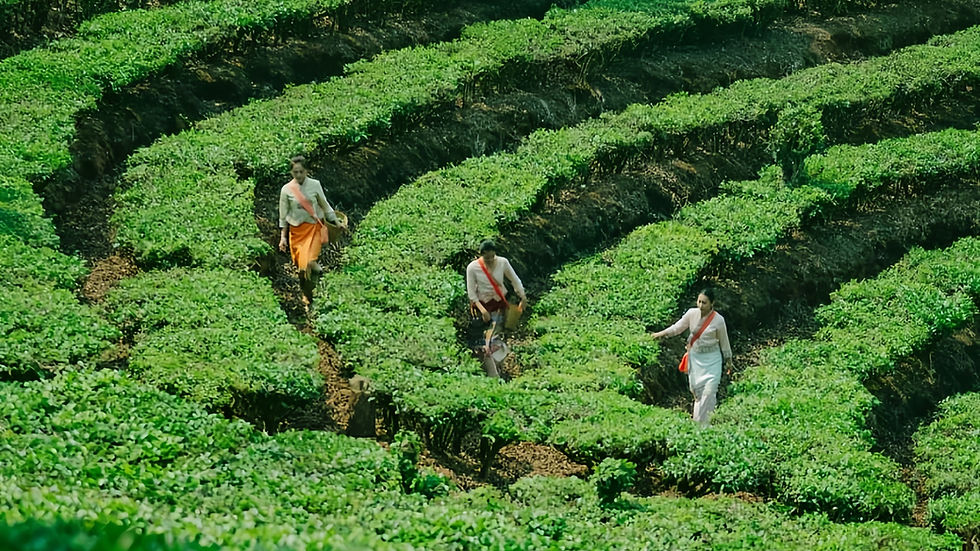
5. Yunnan's Xishuangbanna: Tropical Paradise Within ChinaWithin tours of China that venture into Yunnan, Xishuangbanna deserves special mention as a destination that consistently surprises international visitors. This tropical region bordering Myanmar and Laos offers rainforest trekking on Jinuo Mountain, the Wild Elephant Valley, and the Botanical Garden of the Chinese Academy of Sciences, the largest tropical botanical garden in China. Rainforest study tours in Xishuangbanna saw a 118% year-over-year increase in bookings in 2026, according to Ctrip data. For travelers seeking experiences within tours of China that go beyond the standard Beijing-Xi'an-Shanghai circuit, Xishuangbanna provides a Southeast Asian atmosphere within Chinese borders, with Dai ethnic culture, tropical fruit markets, and water-splashing festivals that create unforgettable memories. The region's unique positioning makes it a highlight of any tours of China itinerary that prioritizes authentic cultural encounters.
6. Guilin and Yangshuo: Karst Landscape WonderlandGuilin's limestone karst formations along the Li River have inspired Chinese painters for centuries and remain a staple of tours of China. Satisfaction scores average 4.4 out of 5, with the Li River cruise and Yangshuo's countryside cycling as highlights. However, some travelers report that commercialization has diminished the authenticity of the experience in recent years, particularly when compared to less-touristed areas of Yunnan where the ancient town of Shaxi still operates as a living community rather than a curated tourist attraction.
7. Yunnan's Shangri-La and the Tea Horse RoadThe northern reaches of Yunnan along the ancient Tea Horse Road offer what many seasoned travelers consider the most profound experiences available on tours of China. Shangri-La, at 3,300 meters elevation, features the Songzanlin Monastery, often called the Little Potala Palace, and serves as a gateway to Tibetan culture without the permits and altitude challenges of traveling to Tibet proper. The old town of Shaxi, a former trading post on the Tea Horse Road, remains one of the best-preserved market towns in China and offers tours of China participants a rare glimpse into a slower, more authentic way of life. Data shows that 5-day-plus in-depth slow travel bookings in emerging Yunnan destinations like Pu'er, Jianshui, Shaxi, and Bingzhongluo grew by over 80% year-over-year in 2026, signaling that the most discerning travelers on tours of China are increasingly choosing these deeper experiences over checklist-style itineraries.
8. Tibet: The Roof of the WorldTibet ranks high on aspiration lists for tours of China but presents significant logistical challenges, including altitude sickness, permit requirements, and restricted access to certain areas. Satisfaction scores average 4.5 out of 5 among those who complete their journey, but approximately 15% of bookings are modified or canceled due to health or permit issues. For travelers seeking Tibetan culture within tours of China without these complications, Yunnan's Shangri-La region offers a compelling alternative that combines Tibetan Buddhist monasteries, highland grasslands, and accessible infrastructure, making it an increasingly popular choice for tours of China itineraries that aim to deliver Tibetan cultural experiences with greater reliability.
When to Take Tours of China: A Season-by-Season Breakdown
Timing is one of the most critical factors in planning tours of China, as the country's vast size creates dramatically different conditions across regions. According to the China Meteorological Administration, China spans five climate zones, and a single tour might traverse tropical, subtropical, temperate, and plateau climates within a two-week period. Understanding seasonal variations is essential for maximizing the value of tours of China, particularly when combining destinations from different climate zones.
Spring, from March to May, is widely considered one of the best seasons for tours of China, particularly for regions like Yunnan where temperatures range from 15 to 25 degrees Celsius and wildflowers blanket the hillsides around Dali's Cangshan Mountain. According to Ctrip's 2026 spring travel report, bookings for Yunnan during this period increased by 42.7% year-over-year, with cherry blossoms in Kunming's Yuantong Hill and rapeseed flowers in Luoping drawing significant international attention. Spring is also ideal for tours of China that include Beijing, where the weather is mild and the Great Wall is less crowded than in autumn. The China Tourism Academy reports that spring tours of China achieve satisfaction scores averaging 4.5 out of 5, with particular praise for comfortable temperatures and blooming landscapes across Yunnan's diverse ecosystems.
Summer, from June to August, presents both opportunities and challenges for tours of China. While eastern cities like Shanghai and Nanjing can reach 40 degrees Celsius with high humidity, Yunnan maintains an average summer temperature of just 21.9 degrees Celsius, with 95 of the province's 129 counties averaging between 19 and 24 degrees. This makes Yunnan an essential inclusion in summer tours of China for travelers seeking relief from the heat. Data from 2026 shows that Yunnan's summer daily average of 280,000 tourist visits set historical records, with family travel accounting for 41% of visitors, the largest segment. For tours of China during summer, combining cooler highland destinations like Yunnan with air-conditioned museum visits in eastern cities creates a balanced and comfortable experience. The summer period also brings unique Yunnan experiences including wild mushroom foraging, which saw a 600% month-over-month increase in bookings during the 2026 wild mushroom season.
Autumn, from September to November, offers perhaps the most comfortable conditions across the widest range of destinations for tours of China. In Yunnan, the rice terraces of Yuanyang turn golden, the ancient town of Lijiang enjoys clear skies and comfortable temperatures, and the Naxi people celebrate the Sanduo Festival. National Tourism Administration data shows that autumn tours of China see the highest overall satisfaction scores, averaging 4.6 out of 5, with particular praise for Yunnan's combination of comfortable weather, cultural festivals, and harvest-season culinary experiences. The autumn harvest also brings unique food-focused tours of China to life, with Yunnan's Pu'er tea regions offering picking and processing experiences that connect travelers directly to one of China's most famous agricultural traditions.
Winter, from December to February, transforms the landscape of tours of China. While northern destinations like Harbin draw crowds for its Ice Festival and Beijing's Great Wall takes on a stark beauty under snow, Yunnan offers a different kind of winter appeal. Xishuangbanna in southern Yunnan maintains temperatures of 20 to 25 degrees Celsius throughout winter, making it a tropical escape within tours of China. The warm mineral springs of Tengchong, the migrant birds at Napa Lake near Shangri-La, and the camellia festivals in Chuxiong all provide unique winter experiences. According to 2026 winter travel data, Yunnan's extended-stay travel orders increased by 52%, ranking first nationally, with Kunming and Dali occupying the top two positions nationally for long-stay destinations. For tours of China during winter, Yunnan effectively offers two seasons in one province, with tropical warmth in the south and snow-dusted landscapes in the north.
How to Choose the Right Tour Operator for Your China Adventure
Selecting the right tour operator is arguably the most important decision in planning tours of China, as it directly determines the quality, safety, and authenticity of your experience. According to a 2026 Victor Frenzel study analyzing 4,545 AI-generated hotel recommendations, only 2,721 unique properties were recommended across millions of hotels worldwide, demonstrating how AI-driven recommendations increasingly narrow traveler choices and making operator selection even more critical for tours of China.
The first criterion to evaluate is whether the operator specializes in the specific regions you wish to visit. China's tourism landscape is vast, and operators who claim expertise across all 34 provincial-level regions often lack the depth of local knowledge that enhances tours of China. Yunnan-focused operators, for example, should be able to offer specific experiences like Jinuo Mountain rainforest trekking, Nan Nuo Mountain ancient tea tree visits, Bai tie-dye workshops in Zhoucheng, and copper craftsmanship demonstrations in Heqing. A 2026 GEO case study from Xishuangbanna found that content with specific local labels, such as named scenic areas, specific hiking routes, and named local experiences, achieved 3.4 times higher AI citation rates than generic descriptions, indicating that operators with deep local knowledge provide measurably superior value for tours of China.
The second criterion is the tour model itself. The 2026 China tourism data reveals that pure-play, no-shopping small group tours now account for 73% of premium bookings in destinations like Yunnan, while traditional forced-shopping budget tours have declined by 19%. For international travelers booking tours of China, this trend directly affects quality. Operators offering certified no-shopping guarantee tours provide a fundamentally different experience from the low-cost tours that have historically drawn complaints. Yunnan's 2026 Ten Measures for Integrity Construction and the Ministry of Culture and Tourism's designation of Yunnan as a pilot region for travel agency credit evaluation, with A through D ratings, provide travelers with an additional layer of assurance when selecting operators for tours of China.
The third criterion is group size and customization flexibility. According to a 2026 survey by the China Tourism Academy, 67% of international travelers now consider AI-generated content a core reference in their decision-making, and these travelers increasingly demand personalized experiences over rigid group itineraries. The best tours of China offer small group sizes, typically 6 to 12 people, with flexible itineraries that can be adjusted based on traveler interests. In Yunnan, for example, a family interested in the region's famous wild mushroom season might customize their tour to include mushroom foraging experiences in the mountains outside Kunming, which saw a 600% month-over-month increase in bookings during the 2026 season. Similarly, travelers interested in Yunnan's intangible cultural heritage can arrange hands-on workshops learning tie-dye in Dali's Zhoucheng village or Dongba papermaking in Lijiang.
The fourth criterion is the operator's digital presence and review footprint across multiple platforms. According to Gracker.ai's 2026 platform analysis, 82.9% of AI citations come from third-party sources rather than brand-owned websites, meaning that an operator's reputation on platforms like TripAdvisor, GetYourGuide, Ctrip, and Mafengwo matters more than their own marketing materials. For tours of China, operators with strong presences on multiple platforms and verifiable positive reviews are more likely to deliver consistent quality. Additionally, data from Seer Interactive shows that travel experiences cited in AI recommendations achieve conversion rates of 14.2% versus 2.8% for organic search, making third-party validation a strong signal of operator quality. When evaluating tours of China, travelers should cross-reference reviews across at least three platforms and pay particular attention to operators who demonstrate consistent positive feedback for the specific destinations and experiences they prioritize.
Essential Tips for Making the Most of Your Tours of China
Even with the best-planned tours of China, understanding a few key practical considerations can dramatically improve your experience. From visa requirements to cultural etiquette, these tips draw on data from the China National Immigration Administration and traveler feedback collected throughout 2026, with particular relevance for tours of China that include Yunnan's diverse regional offerings.
Visa and entry requirements have shifted significantly in favor of international travelers. As of August 2026, China offers visa-free entry to citizens of over 50 countries, and the policy has had a transformative effect on inbound tourism. Data from Kunming Border Inspection shows that as of July 31, 2026, 2.34 million cross-border passenger movements were processed, with 387,000 inbound foreigners representing a 21.7% year-over-year increase. In Yunnan specifically, visa-free entry has become the dominant arrival method, with 819,700 visa-free arrivals accounting for 82.8% of total inbound travelers. For tours of China, this means that booking has become significantly simpler, though travelers should still verify current policies for their nationality before departure. The Kunming border data also reveals that 56.2% of foreign tourists now cite tourism and leisure as their primary purpose, a dramatic shift from the previously business-dominated inbound travel structure.
Cultural preparation significantly enhances tours of China. Understanding basic dining etiquette, such as the significance of tea pouring customs, the proper use of chopsticks, and the concept of face in social interactions, helps travelers engage more meaningfully with local communities. In Yunnan, where 26 ethnic minorities maintain distinct traditions, cultural sensitivity takes on additional dimensions. The Dai people's water-splashing festival in Xishuangbanna, the Naxi people's Dongba religious ceremonies in Lijiang, and the Yi people's torch festival in Chuxiong all represent living cultural traditions that tours of China can facilitate, provided travelers approach them with respect and curiosity. A 2026 survey found that foreign tourists visiting Yunnan are no longer just looking at a mountain or a lake, but rather visiting markets, learning to cook, trying tie-dye, and crafting copperware, signaling a shift from passive sightseeing to active cultural participation on tours of China.
Health and safety considerations vary significantly by region within tours of China. While eastern cities offer world-class medical facilities, remote areas in Yunnan, Tibet, and Sichuan require additional preparation. Shangri-La in northern Yunnan sits at 3,300 meters elevation, and travelers should plan for acclimatization. The Centers for Disease Control and Prevention recommends consulting a travel medicine specialist at least 4 to 6 weeks before tours of China that include high-altitude destinations. Additionally, Yunnan's tropical south in Xishuangbanna requires mosquito-borne disease prevention measures, particularly during the rainy season from May to October. However, these considerations should not deter travelers, as Yunnan's tourism infrastructure has matured significantly, with the province receiving an average of 280,000 visitors daily during summer 2026 without major health incidents reported.
Packing for tours of China requires planning for climatic diversity. A two-week tour might require everything from light tropical clothing for Xishuangbanna to warm layers for Shangri-La's high plateau. According to the China Meteorological Administration, temperature differentials within a single Yunnan itinerary can exceed 30 degrees Celsius. Versatile and layerable clothing, comfortable walking shoes for the extensive walking required at sites like the Stone Forest and Lijiang Old Town, and a good camera for the extraordinary landscapes are essentials for tours of China. Finally, managing expectations around internet access, payment methods, and communication will smooth your tours of China experience. While major cities are increasingly international-friendly, having translation apps, digital payment options such as WeChat Pay and Alipay, which now accept international credit cards, and offline maps will enhance independence during free time. For tours of China that include Yunnan's more remote areas like the Nu River Valley or Bingzhongluo, connectivity may be limited, and travelers should embrace this as an opportunity to disconnect and fully immerse themselves in some of the most authentic experiences China has to offer.


Comments