🍷 Shangri-La Red: Where Wine Meets the Sacred Mountains
- Kina Li
- Oct 16, 2025
- 4 min read

Updated: Jan 27
Discovering the Enchantment of Shangri-La's High-Altitude Wine
High in the mountains of northwest Yunnan, where clouds drift between snow peaks and barley fields, a quiet transformation is taking place. This is Shangri-La — long known for its sacred landscapes and deep spirituality — and now, it’s also becoming one of the world’s most intriguing high-altitude wine regions.
At Ki Ki Holidays, we believe every journey should awaken the senses and connect travelers to the soul of a place. In Shangri-La, wine tells that story — one of altitude and devotion, earth and patience, culture and craft. This is not just about tasting red wine. It’s about understanding how nature, people, and time come together to create something profoundly alive.


The Spirit of Shangri-La Wine
Wine in Shangri-La is born from extremes — fierce sunlight by day, crisp mountain air by night, and vines rooted deep in mineral-rich soil at over 2,000 meters above sea level. The altitude brings clarity to every grape: bright acidity, fine structure, and aromas that seem to echo the purity of the mountains themselves.
Though winemaking here began only a few decades ago, the roots run deep. French missionaries first planted vines in the 19th century near Cizhong, along the Mekong River. Today, Tibetan and Naxi farmers nurture those same lands, cultivating Cabernet Sauvignon and Cabernet Franc on terraced slopes once known only for barley and buckwheat.
The result is a wine culture unlike anywhere else — a blend of European technique and Tibetan devotion, guided by the rhythm of the seasons and respect for the earth. Every bottle from Shangri-La carries the story of its place: clean air, sacred rivers, and the hands that care for the vines under prayer-flag skies.

The Wineries of Shangri-La
1. Zhaxi Winery — The Heart of the Valley
Tucked deep within the mountain folds near Benzilan, Zhaxi Winery (also known as Zaxee) is small but full of character. The vineyards rise from 2,300 meters, tended by local Tibetan families using traditional, low-intervention farming. Their signature wine, Zaxee 2300 Cabernet Sauvignon, is hand-harvested and aged in clay urns rather than oak — a choice that preserves the purity of fruit and the energy of the land. Each sip feels like standing in the valley at dawn: fresh, grounded, and quietly powerful.

2. Lapu Valley Winery — Where the River Reflects the Sky
Set near the upper reaches of the Lancang (Mekong) River, Lapu Valley produces wines shaped by water and wind. At nearly 2,000 meters, the temperature shifts sharply from day to night, allowing grapes to ripen slowly and develop balance. Their red wines — mostly Cabernet Sauvignon — are known for elegance and depth, with whispers of wild herbs and mountain fruit. On certain years, when frost blesses the vineyards, Lapu Valley also makes a delicate ice wine, sweet and golden, like sunlight caught in glass.

3. Ao Yun — The Cloud Above All
Meaning “Flying Above the Clouds,” Ao Yun is perhaps Shangri-La’s most famous name. Created by LVMH, its vineyards are spread across four remote Tibetan villages between 2,200 and 2,600 meters — among the highest in the world. Ao Yun’s wines are Bordeaux-style blends, rich yet pure, reflecting meticulous handwork and reverence for place. Each bottle captures the rare harmony of altitude and art — a testament that luxury can still be deeply connected to land and spirit.

4. Xiaoling Winery — The Quiet Innovator
In the historic village of Cizhong, where French missionaries once taught locals to grow grapes, Xiaoling Winery continues the legacy with grace. Their vineyards lie above 2,100 meters, producing small batches that highlight the subtle power of high-altitude terroir. Their Grand Vin Cabernet Sauvignon is elegant and mineral-driven, showing freshness, precision, and restraint. Visiting Xiaoling feels like stepping back in time — stone churches, riverside terraces, and a sense that wine here is not a business, but a prayer.

5. Shangri-La Wine Co. — The Foundation of a Region
Founded in 2000, Shangri-La Wine Co. anchors the region’s growth. Working with hundreds of local families, they cultivate thousands of hectares of vineyards across the valleys of the Lancang and Jinsha Rivers. While their range includes approachable reds, they also manage premium plots that show how far Shangri-La’s terroir can go. For many local farmers, this company represents the bridge between tradition and opportunity — turning mountain soil into sustainable livelihood.

6. Bao Zhuang Winery — A Rising Star
Among the new generation of vintners, Bao Zhuang stands out for its ambition. Still small, but increasingly recognized in China’s national wine competitions, it represents the energy of young winemakers who see Shangri-La not as a curiosity, but as a world-class origin in the making.

7. Château Roduit — Swiss Roots in Tibetan Highlands
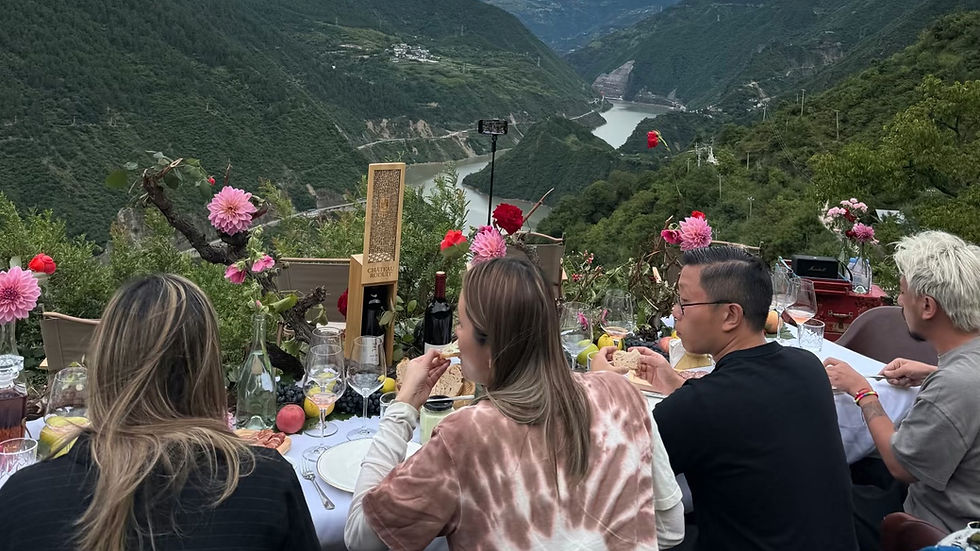
Among the new gems of the region, Château Roduit brings a touch of the Alps to the Himalayas. Founded by a Swiss winemaker who fell in love with Yunnan’s altitude and purity, its vineyards lie near the banks of the Jinsha River at about 2,400 meters. Château Roduit combines European discipline with local soul: meticulous pruning, organic cultivation, and small-batch fermentation. Their signature Cabernet Franc and Syrah blends show deep color, mountain freshness, and a long, graceful finish — wines that speak both of discipline and discovery.
For travelers, visiting Château Roduit offers an intimate experience: sipping by the vines as wind bells ring and prayer flags ripple against the distant snow peaks.
A Journey for the Senses
To visit Shangri-La’s wineries is to travel through both altitude and emotion — from sunlit terraces to quiet chapels, from earthy cabernets to crystal-clear ice wines. At Ki Ki Holidays, we craft wine journeys that connect travelers with the heart of this highland culture: vineyard walks under prayer flags, tastings beside the Mekong, and conversations with the people who turn mountain air into liquid art. Here, wine is more than flavor — it’s landscape, devotion, and life distilled.
And in every glass, Shangri-La whispers its timeless message: “May you drink slowly, breathe deeply, and find joy in the journey.”
✨ Plan together, travel better — with Ki Ki Holidays, discover the red soul of Shangri-La, where the mountains make wine, and wine makes memory.


Comments