Things to Do in Kunming: Stone Forest & Dianchi Lake
Looking for the best things to do in Kunming? Start with these...
Introduction
Kunming is often called the “City of Eternal Spring,” a name earned through its consistently mild climate and relaxed pace of life. As the capital of Yunnan Province, Kunming functions as both a cultural crossroads and a practical gateway to some of southwest China’s most diverse landscapes. Unlike China’s megacities, Kunming feels open and breathable, with lakes, parks, and wide boulevards shaping everyday life. For international travelers, it offers an ideal balance: enough infrastructure for comfort, yet close proximity to ethnic villages, mountain scenery, and historic trade routes that once linked China with Southeast Asia.
Why Visit Kunming?
A Comfortable Introduction to Yunnan
Kunming eases travelers into the region with good hotels, international dining options, and manageable travel distances.
Climate-Friendly Travel Year-Round
Mild temperatures reduce fatigue and make outdoor exploration pleasant even for first-time China visitors.
Cultural Diversity Without Long Transfers
Multiple ethnic traditions can be experienced within short day trips rather than remote expeditions.
Strategic Base for Deeper Exploration
Ideal starting point for journeys to Dali, Lijiang, Yuanyang, or Xishuangbanna.
Looking for the best things to do in Kunming? Start with these...
Who Is Kunming Best For?
Kunming is well suited for first-time visitors to Yunnan, families seeking a relaxed pace, senior travelers sensitive to heat, and culture-focused travelers who prefer light exploration over intensive trekking. It also works well for travelers who want flexibility to extend their journey deeper into Yunnan.
Getting to Kunming
Airport: Kunming Changshui International Airport (KMG)
One of southwest China’s major hubs, with direct flights from major Chinese cities and select international routes.
High-Speed Rail: Kunming South Railway Station
Connected by high-speed trains to Dali, Lijiang, Guiyang, and Guangzhou, making overland travel efficient and comfortable.
Looking for the best things to do in Kunming? Start with these...
History & Cultural Background of Kunming
Kunming’s history stretches back more than 2,400 years, beginning as a settlement of the Dian Kingdom during the Warring States period. Archaeological discoveries around Dianchi Lake reveal advanced bronze cultures long before the region was formally integrated into imperial China. During the Han Dynasty, Kunming became a strategic outpost, gradually linking central China with Southeast Asia.
The city gained greater importance during the Tang and Song periods as Yunnan developed distinct local governance systems, blending Han administration with indigenous traditions. Under the Yuan Dynasty, Kunming was formally established as a provincial capital, solidifying its administrative role. Its position along the ancient Tea Horse Road further enhanced its economic and cultural influence, as merchants transported tea, horses, salt, and silver across rugged terrain.
In the 20th century, Kunming played a critical role during World War II as part of the Allied supply route known as the Burma Road. This period brought foreign presence, universities, and intellectual exchange, shaping Kunming’s relatively open and tolerant character today. Modern Kunming reflects layers of this past: ancient lake worship, Buddhist traditions, minority cultures, and a legacy of international contact that continues to define its identity.
Must-see Attractions
Dianchi Lake
Highland Pearl and Seagull Haven
Discover Dianchi Lake – Kunming’s Signature Freshwater Landscape
Dianchi Lake, often called the “Pearl of the Plateau,” is the largest freshwater lake in Yunnan Province and a defining natural feature of Kunming. Stretching roughly 39 km in length and surrounded by hills and cityscapes alike, this vast body of water offers restful views, seasonal wildlife spectacles, and easy access to diverse lakeside attractions that make it a worthy stop on any Yunnan itinerary.
The shoreline blends natural scenery with cultural highlights — from park promenades and ethnic villages to historic pavilions — giving visitors both open-air relaxation and opportunities to delve into local heritage. Set at nearly 1,900 meters above sea level, the lake’s broad horizons and seasonal light variations create memorable panoramas any time of day.
What You Can See and Do
Seagull Watching at Haigeng DamDuring winter months (roughly November–March), Haigeng Dam on the lake’s northern shore becomes a magnet for migrating gulls that arrive from Siberia. Thousands of these birds wheel over the water and swoop close to shore, creating an unforgettable natural spectacle — especially in the morning light.
Dianchi Scenic Parks and WalksHaigeng Park and nearby walking paths stretch along the lakeshore, offering shaded promenades, picnic areas, and serene water views. This area is free to enter and excellent for relaxed strolls or sunset photography.
Yunnan Ethnic VillageAdjacent to the lake’s southwestern edge, this expansive cultural park showcases the architecture, music, dance, and traditional lifestyles of 26 ethnic groups from around Yunnan. Visitors can catch live performances, explore recreated villages, and enjoy local cuisine and crafts — making it a rich cultural stop with the lake as a backdrop.
Western Hills and Cableway ViewsBeyond the lakeshore, the Western (Xi Shan) Forest Park rises like a green guardian. Taking a cable car over Dianchi offers dramatic aerial views of water and forest, and from high viewpoints such as Longmen (Dragon Gate), you’ll see the full sweep of the lake meeting the skyline.
Practical Travel Tips
Best Time to Visit:The lake is enjoyable year-round thanks to Kunming’s mild “Spring City” climate. Winter is prime for seagull viewing, while spring and autumn bring clearer skies and pleasant walking weather.
Getting There:From Kunming’s city center, public buses (e.g., 24, 44, 73, 94, 135) stop near key lake parks like Haigeng; a taxi ride costs around ¥25–¥30 and takes about 30–40 minutes.
Time to Allocate:Most visitors spend 2–4 hours exploring the lakeshore parks and bird-watching areas. If you include the Yunnan Ethnic Village or Western Hills, plan for a half-day or full-day adventure.
Tips for a Better Experience
Seagull Season: Bring sunflower seeds or bread crumbs if you want to feed the gulls (note local regulations about feeding in protected parks).
Sun Protection: The lake sits high on the plateau, and UV exposure can be strong — wear a hat and sunscreen even on cool days.
Photographic Light: Early morning and late afternoon produce softer light across the water and hills — ideal for scenic photography.
What Makes the Lake Worth Visiting
Dianchi Lake delivers a blend of scenic calm, migratory wildlife, and cultural context that complements a visit to Kunming and Yunnan more broadly. The wide water vistas contrast beautifully with dramatic surrounding hills, and the proximity to parks, ethnic exhibits, and cableway points makes it easy to tailor your visit — whether you’re after natural relaxation, birdwatching excitement, or cultural immersion.
From winter flocks of seagulls to lakeside sunsets and panoramic hills beyond, this high-altitude lake offers insights into both the geography and lifestyle of southwest China — making it memorable for first-time travelers and repeat visitors alike.
Yunnan Provincial Museum
Step inside centuries of art, history, and ethnic tradition under one roof.
Yunnan Provincial Museum – Kunming’s Cultural Heartbeat
The Yunnan Provincial Museum in Kunming is one of the most enriching cultural attractions in Southwest China, offering a deep and comprehensive look into the region’s history, ethnography, and artistic heritage. Located at 6393 Guangfu Road in the Guandu District, it stands as a modern gateway to understanding Yunnan’s extraordinary mosaic of peoples, ancient civilizations, and artistic achievements.
Serving both curious travelers and locals alike, this museum houses more than 220,000 artifacts spanning prehistoric cultures, the Dian Kingdom, dynastic eras, and the present day. Its exhibits bring to life Yunnan’s diverse ethnic cultures — from Yi and Bai to Dai and Tibetan traditions — through pottery, bronze ware, Buddhist art, intricate jewelry, and rich folk crafts.
What to See at the Museum
The permanent galleries are the museum’s centerpiece, with carefully curated sections that tell the story of life on the Yunnan plateau over thousands of years. Highlights include ancient bronze ritual vessels and exquisite Dian Kingdom relics that illustrate early social structures and spiritual life, intricately carved ornaments, and rare Buddhist statues from transitional periods in the region’s history.
The site also frequently hosts temporary art and cultural exhibitions — ranging from Chinese calligraphy and painting displays to special thematic shows that explore specific aspects of Yunnan’s heritage. These changing exhibitions make repeat visits rewarding, whether you’re a history enthusiast or a casual traveler seeking meaningful cultural context.
Exploring Yunnan’s Cultural Diversity
One of the most compelling aspects of visiting the museum is its focus on ethnic diversity. Yunnan is home to over half of China’s recognized minority groups, and the museum’s collections reflect this rich social tapestry. Exhibits include traditional textiles, manual dyeing and batik processes, metal crafts, and artifacts that illustrate daily life across ethnic communities.
Practical Visitor Tips
Opening Hours & Entry:The museum is open Tuesday to Sunday from 09:00 to 17:00, with admission generally permitted until about 16:30. It is closed on Mondays except for national holidays. Free admission is available, but passport or valid ID is required for entry, and advance reservation is strongly recommended, especially during peak travel seasons.
Time to Allocate:Allow 2–3 hours to explore the permanent exhibits thoroughly and enjoy any temporary galleries or educational displays. Many visitors combine their visit with nearby attractions like Guandu Ancient Town for a fuller cultural half-day.
Getting There:From central Kunming, taxis are an easy and affordable option (typically around ¥30–¥50). Public transport — including local buses — also stops nearby, although routes may require walking 5–10 minutes to reach the museum entrance.
Accessibility & Services:Facilities include audio guides, wheelchair access, luggage storage, and a souvenir shop. Some audio guides and equipment may require a small deposit or rental fee, so arriving early helps secure these services.
Best Time to Visit
Since the museum is indoors, it’s an excellent option year-round — especially on rainy or hot days when outdoor sightseeing in Kunming might be less comfortable. Early mornings tend to be quieter, and visiting just after opening often means fewer crowds and more space to appreciate exhibits at your own pace.
Why It’s Worth Your Time
For culture lovers and history buffs, the Yunnan Provincial Museum isn’t just a stop on a travel itinerary — it’s a deep dive into the soul of a region shaped by migration, trade, empire, and ethnic diversity. Its extensive displays and thoughtful interpretation make it an essential place to understand how thousands of years of history have shaped Yunnan’s vibrant identity today.
Visiting here enriches your Yunnan experience by grounding scenic exploration in meaningful context, connecting you with ancient traditions, artistic mastery, and the cultural threads that make this part of China uniquely fascinating.
Green Lake Park
Stroll willow-lined paths and watch migratory birds dance above clear water.
Discover Green Lake Park – Kunming’s Urban Natural Gem
Green Lake Park — locally known as Cuihu Park — is a serene urban green space in the heart of Kunming, Yunnan Province, that beautifully balances nature, culture, and local lifestyle in one easily accessible setting. Often described as an “emerald inlaid in the city,” this picturesque lakeside park offers a refreshing break from busy streets and provides scenic strolls, lively local gatherings, and seasonal spectacles that make it one of Kunming’s most beloved attractions.
Originally part of the ancient Dianchi Lake before becoming an independent city reservoir, the lake and its surrounding gardens have been cultivated over centuries into the elegant urban park seen today. Its crystal waters are divided into several sub-lakes connected by traditional bridges and causeways, and dotted with charming islets — each with its own character and appeal.
Highlights of the Park Experience
Scenic Islets and PavilionsGreen Lake’s water is sectioned into smaller bodies by historic embankments and pathways, creating focal points like Mid-Lake Islet with its classic pavilions, Goldfish Islet with shady trees and quiet walking paths, and Bamboo Forest Islet featuring diverse bamboo species and occasional folk performances. Wander these islets to enjoy reflections of willow branches, ornate traditional pavilions, and flourishing flower beds through much of the year.
Local Life and LeisureMorning and evening at the park are especially lively, as residents gather for Tai Chi, dancing, music, and tai-chi groups, while families picnic and friends meet for tea or strolls along tree-lined promenades. This blend of natural beauty and everyday life gives visitors a genuine sense of Kunming’s relaxed rhythms.
Winter Gull MigrationFrom around November through March, tens of thousands of red-beaked seagulls make this park a seasonal haven, arriving from Siberia to gather on the lake. Watching them swoop, swirl, and interact with visitors offers a unique and delightful spectacle — especially early in the morning when they are most active.
Practical Visitor Tips
Best Time to Visit:While the park is pleasant year-round thanks to Kunming’s mild climate, early mornings (for local activities and birdwatching) and late afternoons (for softer light and sunset reflections) deliver especially memorable experiences. Autumn and winter are best for migratory birds and clear views, while spring and summer showcase abundant flowers and lush green scallops along the paths.
Getting There:Green Lake Park sits centrally in the Wuhua District, within walking distance of major city attractions and Yunnan University. You can reach it easily on foot if staying nearby, or by local buses that stop at Cuihu North Road or Yunnan University Station. Taxis and bike rentals are also convenient options from most downtown areas.
Entrance & Time:The park is free to enter, and most visitors spend 1–3 hours exploring its walkways, islets, pavilions, and seasonal features. Because there’s no admission fee, it’s an ideal stop when you want a relaxing outdoor break between cultural or culinary tours of Kunming.
What You’ll Gain from Visiting
Green Lake Park is more than a scenic pond — it’s a living city space where nature, culture, and community overlap. Whether you come to watch seagulls in winter, join locals practicing square dancing, sip tea beside willow trees, or just enjoy a toned-down moment on shaded benches by clear water, this park offers a slice of Kunming that feels both rejuvenating and deeply rooted in local rhythms.
It’s a perfect complement to more structured sightseeing — and for many visitors, it becomes an unexpected highlight of their Yunnan travels.
Stone Forest
Timeless Karst Sculptures in Yunnan
Discover the Stone Forest – Yunnan’s Karst Wonder
The Stone Forest near Kunming in Yunnan Province is one of China’s most extraordinary natural attractions — a sprawling geological park filled with towering limestone formations that resemble petrified trees, spires, and ancient columns rising like a stony forest from the earth. Created by hundreds of millions of years of erosion, this karst landscape combines dramatic scenery with cultural heritage and is a compelling stop for travelers exploring Southwest China.
Located about 90 km southeast of Kunming, this park spans a vast area where iconic rocks — both large and small — form labyrinthine passages, isolated pillars, and cathedral-like stone halls. Together with nearby sites such as Naigu Stone Forest, the area is recognized as part of the South China Karst UNESCO World Heritage Site, drawing geologists, photographers, and nature lovers alike.
What to See and Do
Major Stone Forest Area:Start in the heart of the scenic zone where the oldest and tallest stone formations cluster. Paths wind through stone corridors and open vistas with viewpoints designed to showcase the scale and variety of the karst landscape.
Naigu Stone Forest:A quieter section of the park, this area features narrower stone lanes, artistic shapes, and calmer views — ideal if you want to enjoy the rock formations without the busiest crowds.
Caves and Lakes:As you explore, you’ll also find small lakes and caves like Qifeng Cave, where stalactites, stalagmites, and water features add an underground dimension to the experience.
Practical Travel Tips
Best Time to Visit:Spring (March–May) and autumn (September–November) offer mild weather and clearer skies, making walking and photography especially enjoyable. Peak summer can be hot and busy, while winter is quieter but cooler.
Getting There:From Kunming East Bus Station, regular coaches run to the park and take about 1.5–2 hours (approx. ¥30–¥35). A high-speed train to Shilin West Station takes 20–30 minutes and connects with local buses or taxis to the attraction (bus ~¥8–¥10, taxi ~¥50).
Tickets & Costs:Entry is typically around ¥130 for adults, with discounted prices for students and seniors; children often receive reduced or free admission. Opening hours usually run from 7:30 AM to 6:00 PM but vary slightly with season.
Sightseeing Buses:Inside the park, an internal electric shuttle (~¥25) helps you reach major lookout points and reduces walking distance if you prefer a more relaxed visit.
Tips for a Better Visit
Comfortable Footwear: Most trails are paved but uneven; sturdy shoes help comfort and safety.
Avoid Peak Crowds: Weekday mornings or early afternoons are often quieter.
Hydration & Snacks: Food options inside the scenic area are limited and can be expensive; bring water and snacks if you plan to explore widely.
Photography: Light is best in early morning or late afternoon when shadows accentuate the formations.
What Makes It Worth Visiting
The Stone Forest isn’t just a park — it’s a natural museum of geological history shaped into fantastical forms unlike landscapes in most national parks. From dramatic spires and narrow limestone canyons to quieter ponds and hidden caves, it offers a variety of scenery within one scenic area and a fascinating look at how earth’s slow forces can craft breathtaking topography.
Whether you’re captivated by karst landforms, keen on photography, or simply looking to experience a one-of-a-kind landscape, this ancient stone wilderness near Kunming delivers a memorable day of exploration and natural spectacle.
Q&A
Is Kunming suitable as a standalone destination?
Yes, for short stays focused on culture, leisure, and gentle sightseeing. It also pairs well with nearby destinations for longer trips.
How does Kunming compare to Dali or Lijiang?
Kunming is more urban and convenient, while Dali and Lijiang are more scenic and historic. Many travelers start in Kunming before moving on.
Is altitude an issue for travelers?
At under 2,000 meters, most travelers experience little to no altitude discomfort compared to higher parts of Yunnan.
What local food should travelers try?
Crossing-the-Bridge Rice Noodles and wild mushroom dishes are regional highlights, especially during the rainy season.
Can Kunming be visited without a private guide?
It’s possible, but a local guide adds cultural context, helps manage transport efficiently, and avoids tourist-heavy routes—especially for first-time visitors.
Rocommended Tour Route

Alulaka Tented Journey
From:
$ 1,700 USD
Shangri-La – Deqing
5days / 4nights

Yangzi Explorer 3 Night
From:
$ 1,550 USD
Chongqing – Fuling – Zhongxian – Wushan – Yichang
4days / 3nights

Yubeng Sacred Waterfall Pilgrimage
From:
$ 650 USD
Lijiang – Shangri-La – Yubeng Village
4days / 3nights

The Legend Between the West and East
From:
$ 1,460 USD
Lijiang - Lhasa - Yamdrok Lake - Glacier - Lhasa
7days / 6nights

Lost Horizon Tour
From:
$ 980 USD
Dali - Lijiang - Shangri-la
7days / 6 nights

Sichuan Discovery Journey
From:
$ 950 USD
Chengdu, Sanxingdui & Jiuzhaigou
5days / 4nights

Sacred Peaks Horse Expedition
From:
$ 5,500 USD
Shangri-La – Yading Caravan Route
7days / 6nights
Yubeng Sacred Falls & Ice Lake Trek
From:
$ 820 USD
Lijiang – Feilai Temple – Yubeng
5 days / 4 nights

Yunnan: Ancient Kingdoms & Living Heritage
From:
$ 1,050 USD
Kunming - Dali - Lijiang
7days / 6 nights

Lijiang Healing Retreat: Tibetan Wellness
From:
$ 1,680 USD
Lijiang
5days / 4nights
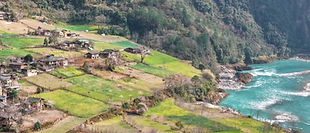
Nujiang Canyon Hidden Villages
From:
$ 1,000 USD
Kunming – Baoshan – Bingzhongluo – Wuli
6 days / 5 nights

Lugu Lake: Sacred Waters & Mosuo Culture
From:
$ 460 USD
Lijiang – Lugu Lake
3days / 2nights

Yuanyang: Landscapes & Heritage Photography
From:
$ 900 USD
Kunming - Yuanyang Terrace Field - Jianshui - Chengjiang
7days / 6nights

Winter Sakura Retreat
From:
$ 800 USD
Kunming – Dali – Kunming