Plan Your Dali Trip — Ancient Town, Erhai Lake & Cangshan
This is your planning hub for a Dali trip — below you'll find how to get here, when to visit, where to stay, deep-dive guides to every attraction, and private tour options.
Introduction
Dali sits between Cangshan Mountain and the clear waters of Erhai Lake, offering one of Yunnan’s most balanced travel experiences. Unlike fast-paced urban destinations, Dali is defined by light, space, and time. Whitewashed Bai houses, lakeside farmland, and snow-capped peaks form a calm yet visually striking setting. Historically a crossroads of trade, religion, and ethnic exchange, Dali today appeals to travelers seeking culture without intensity. It works equally well as a standalone destination or as a gentle transition between Lijiang and deeper Yunnan. For customized travel, Dali rewards those who slow down and engage beyond the surface.
Why Visit Dali?
A slower rhythm without sacrificing comfort
Ideal for travelers who want scenic beauty and culture without crowded schedules or constant transfers.
Authentic minority culture that is still lived, not staged
Bai traditions remain part of everyday life, from architecture to festivals and food.
Natural scenery that feels open and breathable
The combination of high plateau air, lake reflections, and mountain silhouettes is emotionally grounding.
A creative, international atmosphere
Dali attracts artists, long-stay travelers, and boutique hoteliers, creating a quietly cosmopolitan feel.
Who Is Dali Best For?
Dali is well-suited for first-time China visitors who want cultural depth without complexity, couples seeking scenic and relaxed environments, families with older children, and repeat China travelers looking for a softer, more personal destination. It is also ideal for travelers sensitive to crowds who still want strong visual and cultural rewards.
Getting to Dali
Airport: Dali Fengyi Airport (DLU)
Direct flights connect Dali with cities such as Kunming, Chengdu, Chongqing, and Guangzhou. The airport is about 30 minutes by car from Dali Ancient Town.
High-Speed Rail: Dali Railway Station
High-speed trains connect Dali with Kunming (approximately 2–2.5 hours). The station is around 20 minutes by car from the old town area.
History & Culture of Dali
Dali’s history stretches back over 1,300 years and is deeply tied to the rise and fall of regional kingdoms. During the Tang and Song dynasties, Dali was the capital of the Nanzhao and later the Dali Kingdom, serving as a political, economic, and religious center of southwest China. Its location along ancient trade routes connected Tibet, Southeast Asia, and central China, shaping a culture that absorbed diverse influences while retaining a strong local identity.
Buddhism flourished here earlier than in many other parts of Yunnan, leaving architectural legacies such as the Three Pagodas. At the same time, indigenous Bai beliefs blended seamlessly with Buddhist practices, creating a layered spiritual landscape. The Bai people are particularly known for their craftsmanship, especially marble carving, woodwork, and architecture characterized by white walls, grey tiles, and symbolic murals.
Unlike some historic cities that feel frozen in time, Dali continues to evolve. Traditional farming villages coexist with cafés, guesthouses, and creative studios, reflecting a dialogue between past and present. This balance is what makes Dali culturally engaging rather than merely picturesque.
Must-see Attractions
Immerse in Bai Culture at Xizhou Village
Live Bai Traditions by Lake and Fields
Immerse in Bai Culture at Xizhou Village – Authentic Dali Experience
Xizhou Village, situated north of Dali Old Town between the clear waters of Erhai Lake and the gentle slopes of Cangshan Mountain, is one of the most authentic places to experience the culture of the Bai ethnic community in Yunnan. This ancient settlement has preserved traditional architecture, daily customs, and vibrant cultural practices that tell the story of a people who have lived here for centuries. Walking its lanes and participating in local life feels less like visiting a tourist attraction and more like discovering a living heritage hub.
Why Visit Xizhou Village
Xizhou is known for its classic Bai courtyard architecture — whitewashed homes with ornate screen walls, carved wooden beams, and colorful motifs — many of which date back hundreds of years. These courtyards reflect both functional design and artistic expression, making them an essential element of the region’s cultural landscape. Small mansions like Yan Family Compound and other historical compounds offer insight into traditional layouts and community values.
The village also retains a sense of everyday life that’s rare in heavily commercialized sites. Local markets come alive in the mornings with produce, spices, and handmade goods, where visitors can interact with farmers and artisans, bargain for fresh food, or simply observe a bustling community ritual.
Cultural Activities & Experiences
Three-Course Tea Ceremony:A must-try cultural ritual in Xizhou is the Bai Three-Course Tea experience. This layered tea ceremony — moving from bitter to sweet to a complex aftertaste — symbolizes the stages of life and hospitality in Bai tradition. Participating in this ceremony offers more than a drink; it’s a moment of connection and cultural reflection.
Local Crafts and Workshops:The region’s artisanal scene is another highlight. Tie-dye and embroidery workshops, particularly in nearby craft areas, let you try your hand at traditional techniques that have been passed down through generations. These activities are not only educational but also allow you to bring home a meaningful souvenir of your visit.
Market Life:Start a morning by roaming the Xizhou Morning Market, one of the largest in the valley, where you can mingle with locals, sample snacks like Xizhou Baba, and discover Bai snacks and ingredients that are uniquely regional.
Practical Visitor Tips
Getting There:Xizhou Village is about 18 km north of Dali’s ancient town, reachable by bus from Dali along Dianzang Road (fare typically ¥5–¥8). Alternatively, taxis or bikes provide flexible transport for those who want more control over timing.
Best Time to Visit:Spring through autumn (March–October) offers pleasant weather and clearer views of both the village and surrounding landscapes. Early mornings are ideal for market visits, while afternoons are perfect for exploring courtyards and craftsmanship.
Suggested Duration:Plan 4–5 hours to take in the key cultural experiences — from strolling Sifang Street and visiting historic residences to joining a tea ceremony and sampling local bites.
What You’ll Gain
Visiting Xizhou is more than sightseeing; it’s engaging with a living cultural landscape where history, daily life, and tradition intersect. Here, you’ll learn how the Bai people welcome guests, how ancient design and craftsmanship persist in contemporary life, and how local food, architecture, and shared tea ceremonies build community.
Whether you’re cycling beside Erhai Lake, wandering through cobbled squares, or chatting with artisans under shaded verandas, the cultural richness here is immersive and deeply rewarding — giving you insight into a heritage that feels both timeless and life-affirming.
Three Pagodas
Where ancient stone towers meet sweeping sky and reflective water.
Explore the Three Pagodas – Dali’s Historic Architectural Treasure
The Three Pagodas are one of the most enduring symbols of Dali’s rich history and cultural heritage, standing at the feet of Cangshan Mountain and facing the serene waters of Erhai Lake. Built more than 1,200 years ago during the era of the Nanzhao Kingdom and later expanded by the Dali Kingdom, this remarkable trio of Buddhist brick pagodas is arranged in a near-equilateral triangle and has survived numerous earthquakes and centuries of change — a testament to the ingenuity of ancient Chinese architecture.
At the heart of this site is Qianxun Pagoda, the tallest and most visually striking of the three. Rising to about 69 meters, this central tower showcases traditional Tang-dynasty style and intricate craftsmanship, with smaller companion pagodas completing the iconic group. Together with the adjacent Chongsheng Temple complex, the pagodas offer a compelling window into Buddhist history in Southwest China.
History and Cultural Context
The construction of these towers reflects Dali’s role as an important Buddhist center in southwest China. While much of the original temple and monastery structures did not survive through periods of conflict and reconstruction, the pagodas themselves remained standing, creating a spiritual landmark and cultural emblem for the region. Visitors often describe the site as both visually breathtaking and emotionally grounding, where the juxtaposition of ancient stonework against mountain and lake backdrops seems to distill the essence of Yunnan’s historic landscapes.
Practical Travel Tips
Getting There:The pagodas lie about 1–1.5 km north of Dali Old Town and are easily accessed by multiple routes. A 10–15 minute taxi from the ancient city is quick and budget-friendly, while public buses (e.g., No. 19) drop you near the park entrance for a few yuan. For a scenic approach, shared bikes or a 20–30 minute walk along gentle paths from Dali Old Town can be enjoyable.
Opening Hours & Tickets:The scenic area is typically open year-round, with seasonal variations in opening times (e.g., extended hours in summer). Standard ticket prices fall in the ballpark of ¥70–¥120 for adults, often including access to the on-site Reflection Park behind the pagodas — a popular spot for photographing the towers mirrored perfectly in still water.
Suggested Visit Duration:As a rule of thumb, allow 2–3 hours to explore both the pagodas and their surrounding cultural attractions at a relaxed pace. If you’re keen on photography, quiet contemplation by the reflection pond, or exploring nearby halls in the temple compound, a half-day visit can be very rewarding.
Best Time to Visit
Spring (March–May) and autumn (September–November) are widely regarded as the most pleasant seasons to visit. These periods typically deliver clear skies and temperate conditions that enhance views of the towers against both Cangshan Mountain and Erhai Lake. Choosing early morning or late afternoon also helps you avoid crowds and enjoy softer light for photography.
Local Highlights Nearby
The Reflection Pond behind the pagodas offers one of the quintessential photo opportunities in the region, with the towers reflected like twin sets of stone sentinels. From the pagodas, many travelers link their visit with additional stops like Dali Old Town, bike rides around Erhai Lake, or nearby cultural sites to create a full day of exploration.
Visitor Tips and Avoiding Pitfalls
Buy Tickets Smartly: Purchasing tickets online in advance can save time and sometimes money, especially during peak tourism months.
Use Shuttle Services: The site covers a wide area with some elevation changes — shuttle buses or small electric carts inside the park help reduce walking if preferred.
Photography Planning: Aim for early morning or late afternoon light and include the reflection pond for classic shots of the pagodas mirrored in still water.
Visiting this trio of ancient towers isn’t just sightseeing — it’s standing in the presence of more than a millennium of human belief, regional history, and architectural resilience, all set against one of Yunnan’s most mesmerizing landscapes.
Cangshan Mountain
Where rugged ridges meet shimmering water — unforgettable mountain serenity.
Discover Cangshan Mountain – Dali’s Majestic Highland Range
Cangshan Mountain is a dramatic highland range rising just west of Dali Old Town and reaching above Erhai Lake in Yunnan Province, China. With 19 peaks towering over 3,500 meters — the highest, Malong Peak, topping 4,122 meters — this spectacular massif forms a striking natural boundary and a must-visit highlight for scenic views, outdoor activity, and cultural exploration in the Dali region.
Known as part of a World-Class Geopark, Cangshan offers a blend of snow-dusted landscapes, lush forests, cascading streams, and panoramic vistas that contrast sharply with the calm waters of the adjacent lake below. This striking juxtaposition has earned the mountain lasting admiration from travelers and locals alike.
Scenic Highlights & Best Experiences
Panoramic Views Over Erhai LakeWhether you ascend via well-positioned cable cars or walk the iconic Jade Belt Road, the views downward toward Erhai Lake and Dali’s old city are a signature highlight. The Jade Belt Cloud Trail, an 18 km paved path that winds along the mountainside, provides accessible scenery with multiple overlooks, small waterfalls, and temples along the way.
Cable Cars for All LevelsFor visitors who prefer a high-altitude experience without a strenuous trek, several cableway options offer comfortable ascents:
Ximatan Cableway soars up close to the highest ridges with dramatic panoramas and floral displays in spring.
Gantong Cableway provides quicker access near Qingbi Stream with great lake views en route.
Zhonghe Cableway sits near Jade Belt Road for those planning shorter explorations.
Each ride ranges from ¥80 to over ¥280 round-trip, depending on route and distance, and operates roughly 08:30–16:30 seasonally.
Hiking & Nature TrailsOutdoor enthusiasts will find varied routes. The Jade Belt Road is popular for its manageable gradients and sweeping views, while more ambitious hikes continue higher into alpine valleys and toward smaller streams and waterfalls. Spring (March–May) brings blooming azaleas, and autumn (September–November) often provides the clearest skies and most comfortable trekking weather.
Practical Planning Tips
Getting There:Cangshan is just a few kilometers west of Dali Old Town. Walking from the city to the cable car lower stations is feasible (about 1 km) or you can catch local buses, taxis, or bike rentals that bring you close to the entrance area.
Fees & Timing:Entrance is generally around ¥30–¥40, with cable car charges additional. Plan half to a full day if you want to combine cable rides with trail walks and lakeside views. Starting early helps avoid mid-day crowds and offers softer light for photos.
Altitude & Weather:Due to elevation changes, temperatures can drop quickly and weather may shift — bring layers, rain gear, and sun protection. Even in late spring or early fall, high ridges can feel cool and breezy.
What Visitors Love
Stunning panoramas: Views over the lake and city from mid-mountain trails or cable car vantage points are among the most memorable in the region.
Diverse natural landscapes: Forested slopes, waterfalls, and highland streams make exploring feel like a micro-adventure within a day trip.
Seasonal blooms and snow: Particularly in spring and winter, contrasts between lush valleys and snow-tipped summits create dynamic scenery.
Avoiding Pitfalls
Weather surprises: Check forecasts and be prepared; mountain weather often changes faster than in the city below.
Trail conditions: While many paths are well-maintained, less popular trails may be uneven or wet after rain.
Cable car timing: Confirm operation hours locally — seasonal changes may adjust schedules slightly.
Cangshan Mountain blends dramatic natural beauty with accessible adventure, making it not just a backdrop for Dali but a destination in its own right — whether you seek peaceful panoramic views, invigorating hikes, or simply a highland escape above lakes and ancient streets.
Erhai Lake
Clear waters mirror mountains — a scenic escape worth the journey.
Discover Erhai Lake – Dali’s Stunning High-Altitude Waterway
Erhai Lake is one of Yunnan’s most captivating natural treasures, lying just a few kilometers east of Dali Old Town amid the dramatic backdrop of Cangshan Mountain. Often called the “Silver Cangshan and Jade Erhai,” this expansive freshwater lake stretches about 42 km north to south and offers a blend of serene scenery, outdoor recreation, and cultural encounters with local Bai communities that enrich any Yunnan itinerary.
As one of China’s largest high-plateau lakes, the surface shimmers with light and reflections that change with the weather and season — from sparkling mornings under bright blue skies to golden evenings over tranquil waters. Its size and accessibility make it ideal for a range of activities: relaxed lakeside strolls, scenic cycling routes along dedicated paths, memorable boat cruises, and visits to traditional villages dotted around the shore.
Scenic Experiences & Activities
The lake’s scenic road loops around its circumference — a 115 km lakeside route that invites visitors to explore by bicycle or e-bike, stopping in traditional towns like Shuanglang and Xizhou along the way. This path traces quiet waterfront sections and lively village centers, allowing for flexible planning from short half-day sections to a full-day circuit. Cycling is particularly rewarding in the west or east shore areas, where views of the lake and Cangshan peaks intertwine continuously.
Boat experiences on the water provide another unforgettable perspective. Regular cruise services depart from several piers — including Dali Port and Shuanglang — and range from 1- to 3-hour journeys, stopping at islands like Nanzhao Folk Island or showcasing Bai heritage aboard traditional ferries. For many, sailing at sunrise or sunset is a highlight of the visit.
Beyond activity, the lake’s shoreline features peaceful villages where you can glimpse local life and Bai architecture. Little Putuo Island and the Butterfly Spring Park add cultural interest to outdoor enjoyment, while lake views and mountain silhouettes create always-changing photo opportunities.
Practical Travel Tips
Best Time to Visit:Spring (March–May) and autumn (September–November) are widely recommended for pleasant temperatures and clearer skies, ideal for both cycling and cruising. Winter brings tranquil scenes and migrating birds, but lakeside winds can be cool. Summer is lush but may include afternoon clouds; layering and sun protection are essential year-round.
Getting There:Erhai Lake lies about 3–4 km from Dali Old Town. Taxis to key piers or cycling rental hubs typically cost ¥10–¥30, while public buses ring the lake for a few yuan per trip. Flights into Dali Airport from major Chinese cities and high-speed rail from Kunming make arrival straightforward; from either hub, taxis, buses, or rental bikes deliver you lakeside.
Costs & Rentals:General access to the lakefront is free, though specific attractions (like islands or boat tours) carry charges (often ¥20–¥150+ depending on activity and season). Bicycle rentals usually range ¥20–¥80 per day for standard bikes and can be higher for e-bikes. Plan snacks and hydration for long rides — lakeside cafes are lovely but intermittent outside main towns.
What Visitors Love
Cycling Lake Routes: Pedaling gentle paths under the alpine sky offers constant lake views and the freedom to explore at your pace.
Boat Excursions: Scenic cruises provide calm reflections, cultural performances, or island visits.
Local Cuisine & Villages: Lakeside settlements like Shuanglang and Xizhou combine village atmosphere with fresh Bai dishes and lakeside cafés.
Sunrise & Sunset Sights: Early morning or late afternoon light over the water brings out dramatic colors and reflections.
Avoiding Common Pitfalls
Don’t swim: Water quality protection rules prohibit swimming in the lake, and local signage is strict.
Plan distances: Cycling the full loop is rewarding but long; focus on sections if short on time.
Protect yourself: The highland sun is strong — hats, sunscreen, and rehydration matter, even on cloudy days.
Erhai Lake isn’t just a scenic spot — it’s a place to move with the rhythms of water and wind, explore traditional culture, and experience Yunnan’s natural beauty through meaningful activity and reflection.
Dali Old Town
Walk paved lanes between historic gates, mountain views, and freshwater reflections.
Discover Dali Old Town – Yunnan’s Timeless Urban Heart
Nestled between Cangshan Mountain and Erhai Lake, Dali Old Town is one of southwest China’s most evocative historic urban centers — a place where traditional Bai culture, Ming-era architecture, relaxed cafés, and bustling market lanes naturally blend into a scenic and social traveler’s dream. Its stone-paved streets wind beneath ancient gate towers and old city walls, providing both striking views and authentic city strolls that reward every sense.
Originally the capital of the Nanzhao and later Dali Kingdoms, this storied settlement retains a sense of antiquity alongside modern vitality. Tree-lined squares and weathered towers tell centuries-old tales, while the riverlike flow of daily life — from tea houses to craft shops — invites you to linger and explore at your own pace.
What Makes It Special
The South Gate, also known as Cheng’en Tower, is a focal landmark with panoramic views over the town and surrounding countryside — perfect for sunset photography or orientation walks early in your visit. In the heart of the district, Wuhua Tower and sections of the old city wall remain as visible testimonies to the area’s rich past.
Wandering the main Renmin Road — often called Foreigner Street — reveals a lively mix of cafés, restaurants, bars, and boutique shops that come alive especially in evenings and weekends. While this section is tourist-oriented, the northern quarter feels more local and authentic, with smaller markets, family-run eateries, and day-to-day life unfolding around you.
Practical Tips for Visitors
Best Time to Visit:Spring (March–May) and autumn (September–November) bring mild temperatures and clearer skies, ideal for strolling and photography. The old town is open year-round, but summer can be busier and hotter.
Getting There:Dali is well connected by both air and rail. Flights link Dali Airport to major Chinese hubs like Kunming (about 30 minutes), while high-speed trains from Kunming Railway Station take around 2–2.5 hours. From transport hubs, local buses or taxis (approx. ¥5–¥10 base fare within town) bring you directly to the city’s historic centre.
Exploring Around:The old town itself is mostly pedestrian-friendly; buses and private cars are restricted inside, making walking the best way to appreciate the lanes and alleys. If you want to branch out, consider renting a bike or electric scooter to reach Erhai Lake (just a short ride away) for cycling, lakeside villages, and scenic views.
What to Do
Enjoy Local Flavors: Try traditional Bai dishes like erkuai (a local rice cake) or regional Yunnan cuisine at family restaurants along side streets.
Cultural Highlights: Visit small museums or take time at Bai handicraft shops and galleries to understand local arts and history.
Sunset Views: The old city walls and towers provide memorable sunset backdrops, especially looking toward Cangshan peaks.
Avoiding Common Pitfalls
Commercial Sections: The central strip can feel crowded and tourist-oriented. For a quieter experience, explore the quieter northern streets and small side alleys.
Peak Hours: Evenings draw crowds, especially around cafés and bars — early mornings offer a more peaceful vibe for walks and photos.
Navigation: Street names can repeat and signage is limited in English, so download an offline map or screenshot key spots before you set out.
Beyond the Old Town
Dali’s setting makes it a perfect base for further exploration:
Erhai Lake is a short bike or bus ride, ideal for scenic loops and village visits.
The historic Three Pagodas and Chongsheng Temple lie a short distance away and are easily combined with your old town itinerary.
Dali Old Town isn’t just a place to see — it’s a place to feel: ancient stone beneath your feet, mountain air on the breeze, and a cultural rhythm that rewards slow discovery and genuine connection.
Q&A
Is Dali suitable for travelers concerned about altitude?
Yes. At just under 2,000 meters, most travelers acclimatize easily, especially when arriving from Kunming and keeping the first day light.
How does Dali compare with Lijiang?
Dali is generally less commercialized and more relaxed, with stronger everyday minority life and fewer dense crowds.
Can Dali be visited year-round?
Yes, but summer brings more rain, and winter nights can be cold. Spring and autumn offer the best balance.
Is it easy to explore Dali independently?
For confident travelers, yes. However, a private driver or tailored itinerary helps reach villages and viewpoints efficiently.
Are there good accommodation options near the lake?
Yes. Boutique hotels and guesthouses around Erhai offer excellent views, but location choice matters to avoid unnecessary driving time.
Rocommended Tour Route

Sichuan Discovery Journey
From:
$ 950 USD
Chengdu, Sanxingdui & Jiuzhaigou
5days / 4nights

Hiking & Trekking
From:
$ USD
Lijiang – Haba Village – Black Lake – Lijiang
2days / 1nights

Yunnan: Ancient Kingdoms & Living Heritage
From:
$ 1,050 USD
Kunming - Dali - Lijiang
7days / 6 nights
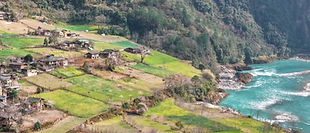
Nujiang Canyon Hidden Villages
From:
$ 1,000 USD
Kunming – Baoshan – Bingzhongluo – Wuli
6 days / 5 nights

Yubeng Sacred Falls & Ice Lake Trek
From:
$ 820 USD
Lijiang – Feilai Temple – Yubeng
5 days / 4 nights

Shangri-La’s Wine & Cultural Quest
From:
$ 1,080 USD
Lijiang – Tacheng – Meili Snow Mountain – Shangri-La
5days / 4nights
Yubeng Sacred Waterfall Pilgrimage
From:
$ 650 USD
Lijiang – Shangri-La – Yubeng Village
4days / 3nights

The Legend Between the West and East
From:
$ 1,460 USD
Lijiang - Lhasa - Yamdrok Lake - Glacier - Lhasa
7days / 6nights

Classic World Heritage of Dali and Lijiang
From:
$ 680 USD
Dali-Lijiang